Would you like to know more about us?More information
A new diagnostic paradigm: from structural to functional
- Current techniques (CT, MRI, EEG) evaluate anatomical structures or electrical activity, but do not provide a direct and quantitative measurement of cortical functional state.
- The NEM provides a measurable and repeatable functional biomarker that detects alterations in cortical dynamics before structural or electrical changes manifest.
- This opens the door to real prevention of neurodegenerative and cerebrovascular diseases, something that current medicine addresses too late.

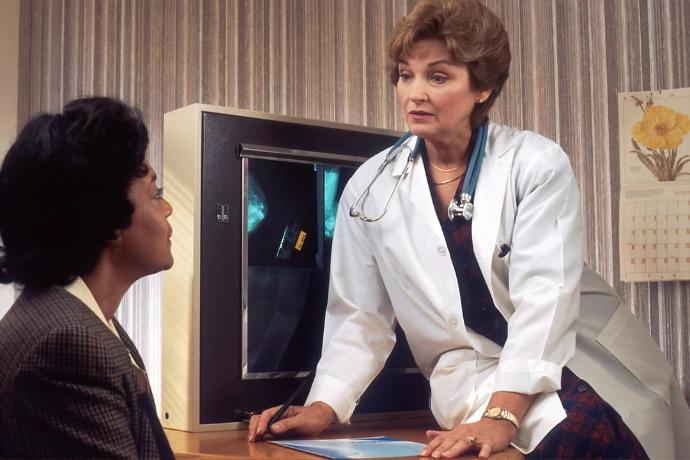
"A new standard in brain health assessment"
- Automated diagnosis with clinical rule intelligence. The NEM software processes, in real time, qualitative and quantitative variables of the DTP, applying validated algorithms to provide an immediate diagnosis.
- No medical interpretation is required afterwards: the result is presented in a standardized way, drastically reducing errors due to human variability.
- Investing in MNE is leading the birth of a new diagnostic category:Portable and automated neurofunctional analysis.
The Problem and the Need
Today there is a real need for a preventive, repeatable, and affordable tool.
Context
Current methods (MRI, CT, EEG) are expensive and not easily accessible in primary health care.
Limitations
Conventional techniques provide anatomical and electrophysiological data, but often do not detect early functional alterations or allow for frequent low-cost follow-ups.
Approach
There is a real need for preventive and affordable tools for the diagnosis and monitoring of neurological diseases.
Our Solution:MNE Technology
Unique technology
Measures discriminative tactile perception (DTP) as a cortical biomarker andgenerates structured and standardized data that can feed multicenter research databases in Europe.
New Functional Biomarker
Introduces a new functional biomarker (discriminative tactile perception) with statistical backing and clinical validation in multiple contexts..
Research in Neuroplasticity
Expands research possibilities in neuroplasticity, neurological rehabilitation, and high cognitive performance.

Learn about our
three main elements main elements
Specialized software
The MNE software processes, in real time, qualitative and quantitative variables of the PTD, applying validated algorithms to provide an immediate diagnosis.
Automated esthesiometer
The automated esthesiometer, synchronized with the software, will ensure that each examination is identical, regardless of the operator or location.
Integration with AI
Through integration with Artificial Intelligence we can provide a set of understandable reports and results.

Origins and Background
Its origin dates back to 1980–1981, when the team ofDr. Nestor M. Pérez Lache participated in the joint space flights Cuba–USSR and Mongolia–USSR, developing the experiment “Perception” in cosmonauts, with the aim of studying the effects of weightlessness on cortical excitability.
The Neurodynamic Esthesiometric Method (MNE) is the result of more than four decades of Applied Neuropsychological Research, supported by multiple studies in patients and healthy subjects.
- Patients with focal and diffuse neurological pathologies (tumors, ischemias, dementias, traumatic injuries)
- Pre and post-operative follow-up in carotid surgery
- Evaluation of effects of cognitive stimulation and therapies.
- rehabilitators.
- Analysis of the impact of aging and professional practice on neuroplasticity (musicians, chess players, dancers, blind individuals)
Impact of the Neurodynamic Esthesiometric Method - NEM
Clinical
The NEM detects cortical dysfunctions before they become evident in CT or MRI, allowing for earlier and more effective interventions. Its quantitative and reproducible nature allows for the adjustment of treatments and cognitive stimulation programs in an individualized manner.
Scientific
Introduces a new functional biomarker(discriminative tactile perception) with statistical backing and clinical validation in multiple contexts.
Social
Facilitates the early detectionof cognitive decline and functional alterations, key toprolonging anactive and autonomous life. Its integration into primary care increases the preventive culture in brain health.
Economic
The NEM can reduce direct costs by more than 70% per examination compared to tests like CT or MRI, with a potential savings of hundreds of thousands of euros annually in an average healthcare area. It generates significant indirect savings in hospitalizations, treatments, and long-term care.
Explore our key statistics
The numbers behind our success: a deep analysis of the key indicators of the method's results.
+10,000 Clinical Studies
More than 10,000 studies have been conducted on patients and healthy subjects
0% False Positives
No cases of False Positives have been recorded with the MNE
+30 years and 3 Books
The Method is based on over 30 years of research and 3 publications.